Young people preparing for careers in science, technology, engineering, and mathematics (STEM) will be among those most affected by generative AI. Some may help build the next generation of genAI tools, but all will need more than technical knowledge. They will also need the ability to use genAI thoughtfully and communicate about technology in English across international contexts.
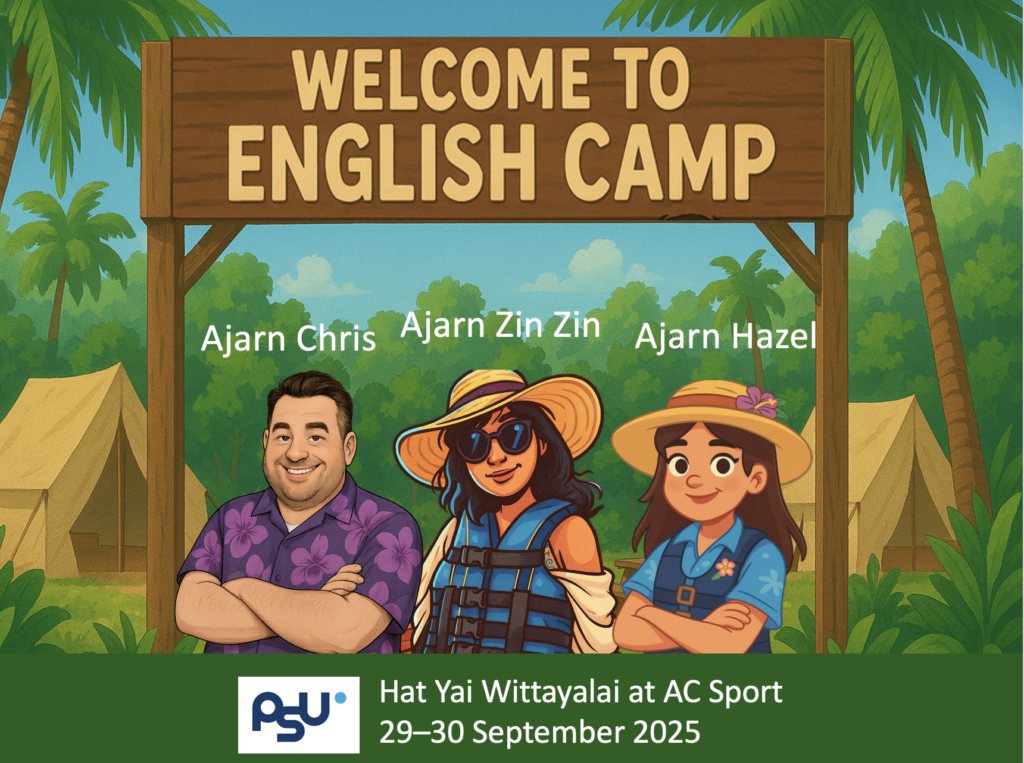
On September 29–30, I designed and facilitated a two-day English camp for 30 science-track students from Hatyai Wittayalai School, one of the leading secondary schools in Hat Yai, Thailand. The participants were M.4 students, roughly equivalent to Grade 10 or the first year of upper secondary school.
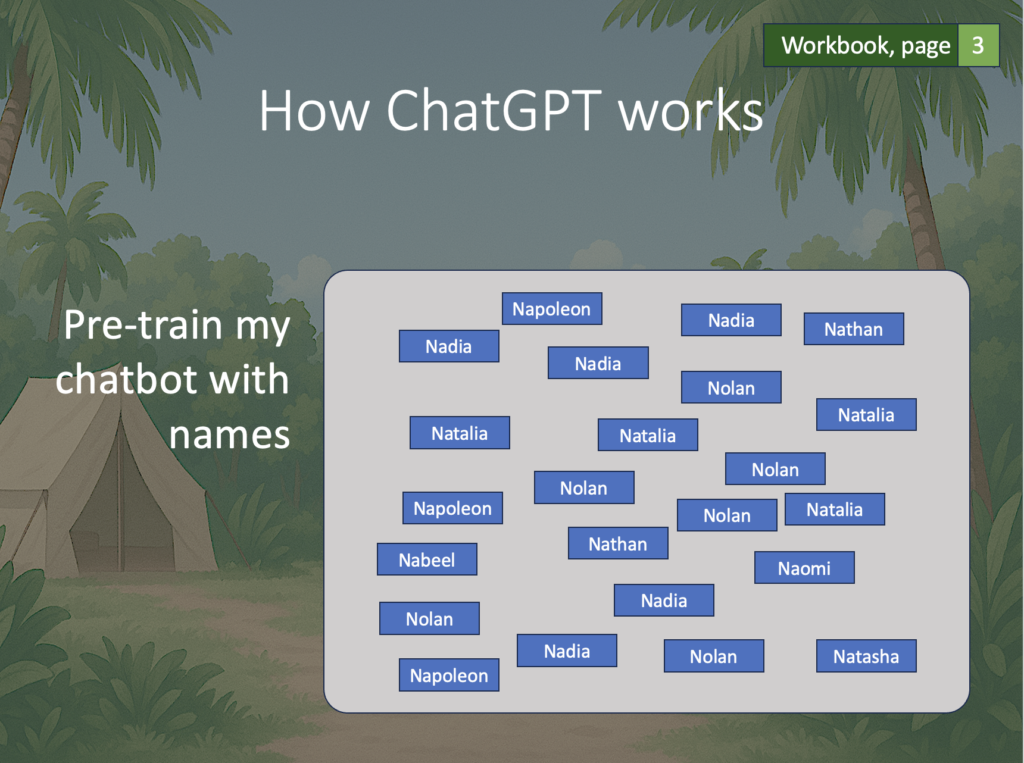
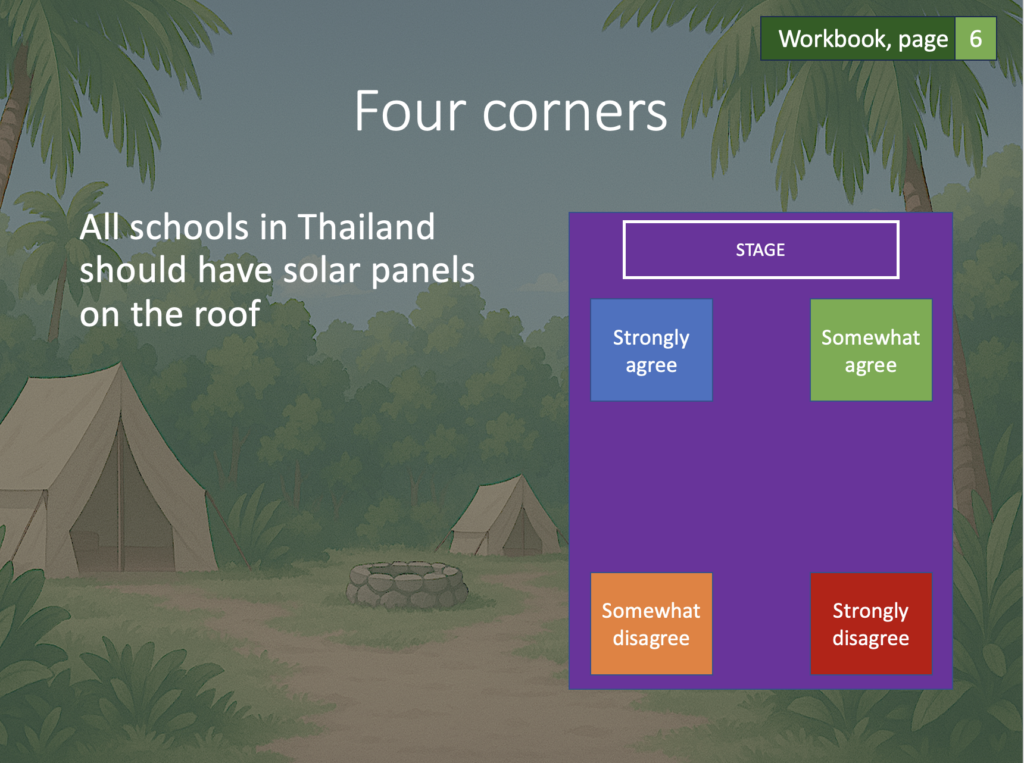
The program was designed especially for students with interests in STEM. Rather than focusing only on general conversation practice, the camp used interactive English activities to help students communicate scientific and technological ideas more clearly and confidently. Activities encouraged students to explain concepts, describe processes, collaborate in groups, and practice using English as a tool for inquiry and presentation. We also delved into the mechanisms of how genAI produces its output.
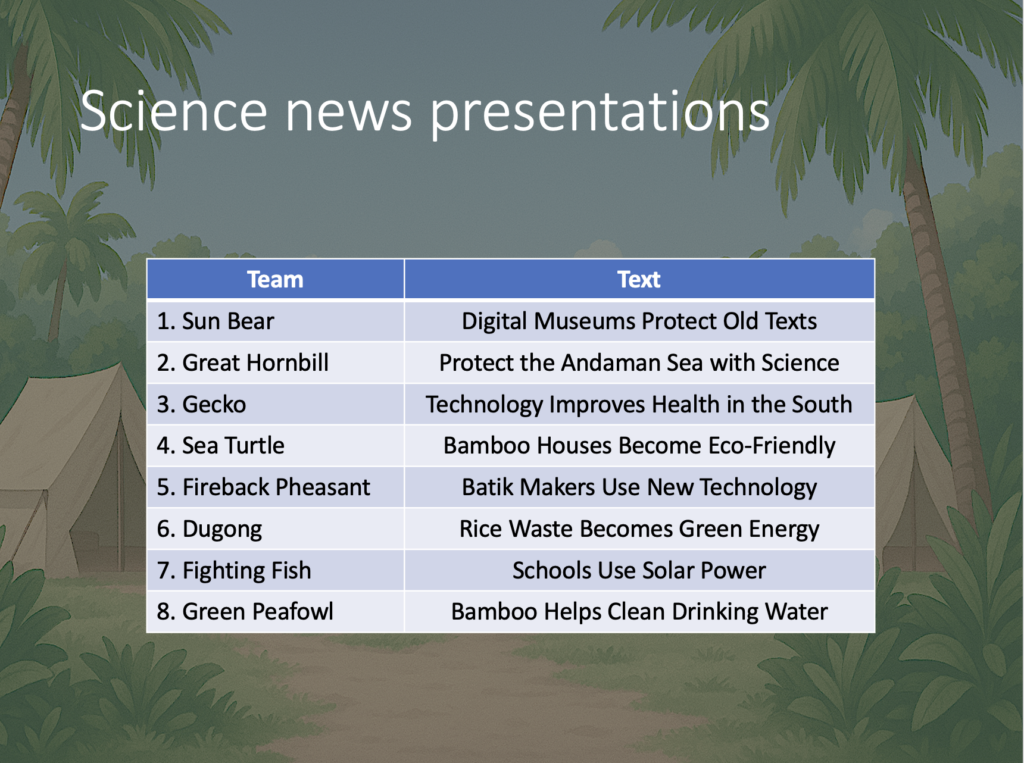
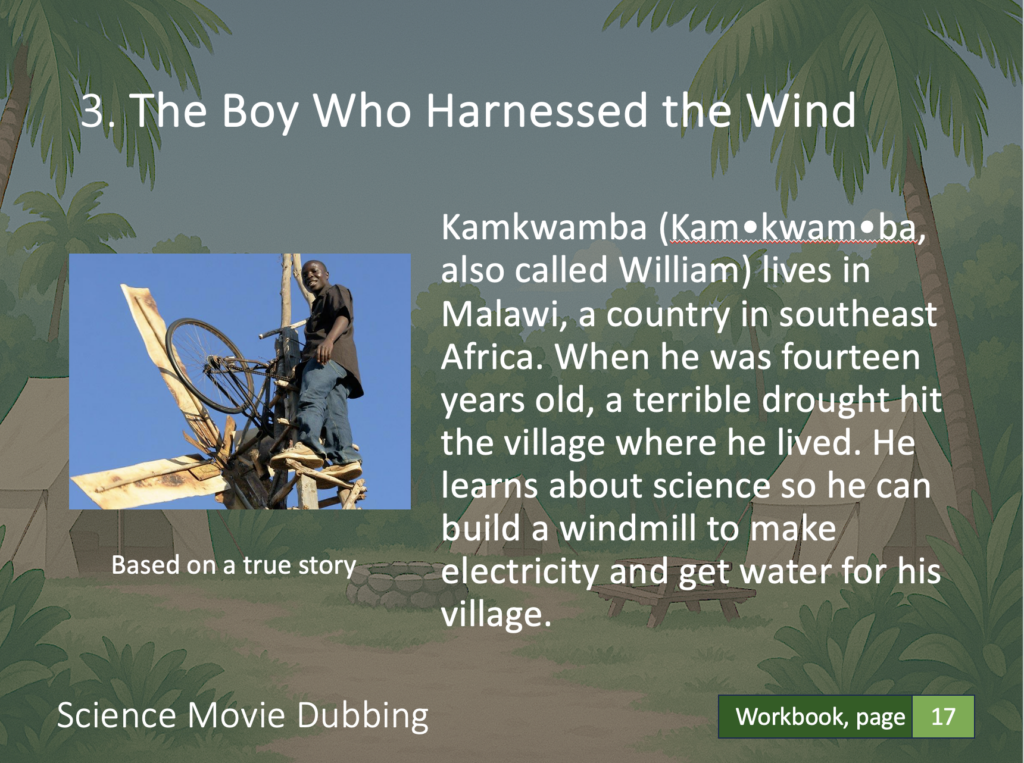
Because English camps in Thailand often combine academic enrichment with social and recreational learning, the program also included an evening activity at the end of the first day. This night program gave students a chance to use English in a relaxed setting. Student teams presented scientific developments, practiced expressive speaking through dubbing activities, and competed in a science quiz show.
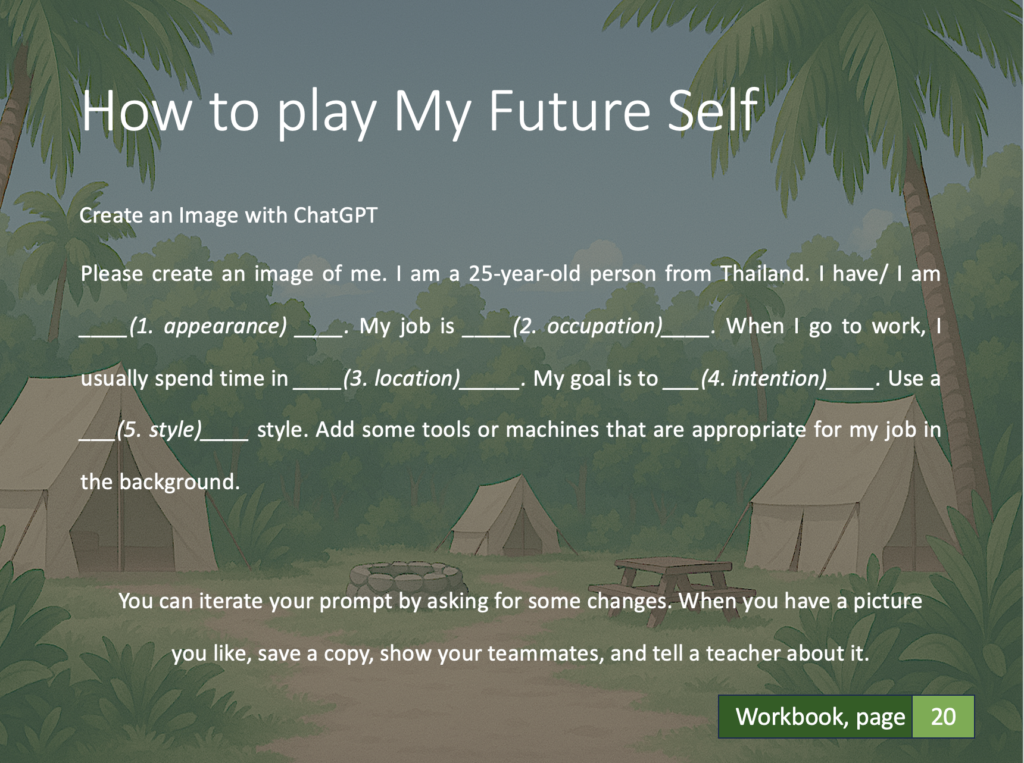
On the second day, students used genAI creatively, producing portraits of their future selves and imagining what human habitats might look like across the solar system.
Overall, the camp encouraged students to see English not simply as a school subject, but as a tool for interacting with genAI, communicating scientific ideas, and collaborating internationally.
Selected Slides