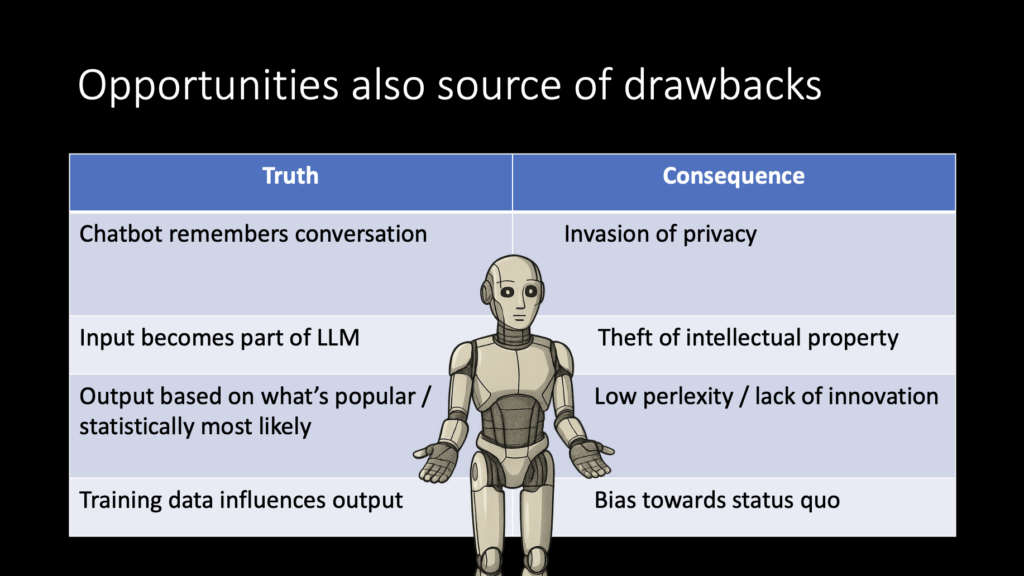
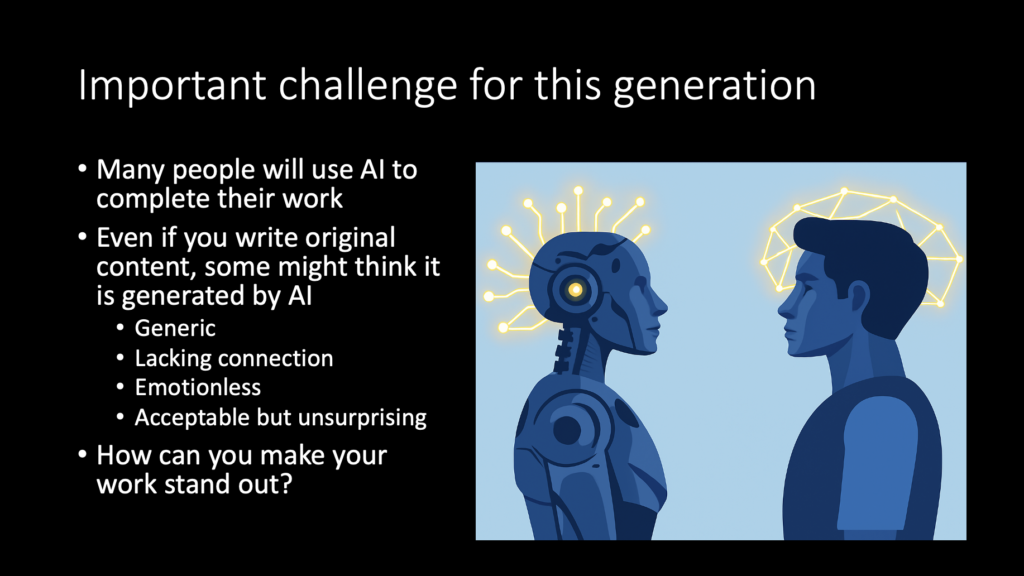
There are some very real concerns about how generative AI is entering the world, from student cheating and promoting misinformation to privacy violations and environmental harm. Although those concerns are valid, I think educators should also teach students how to use genAI tools effectively and ethically.
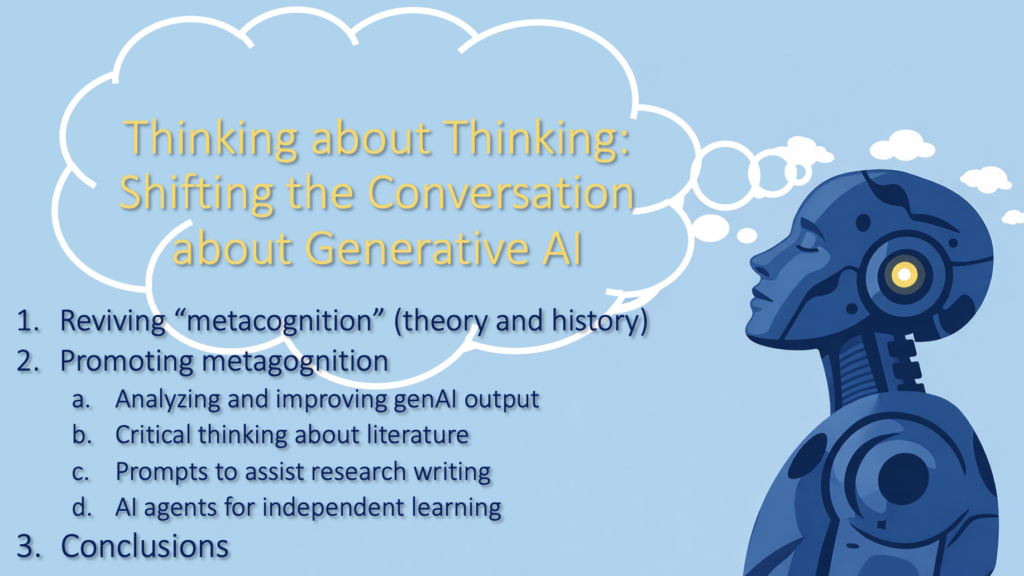
My central argument was that effective use of genAI depends less on clever prompts than on metacognition: the ability to reflect on how we think, ask questions, evaluate answers, and make decisions.
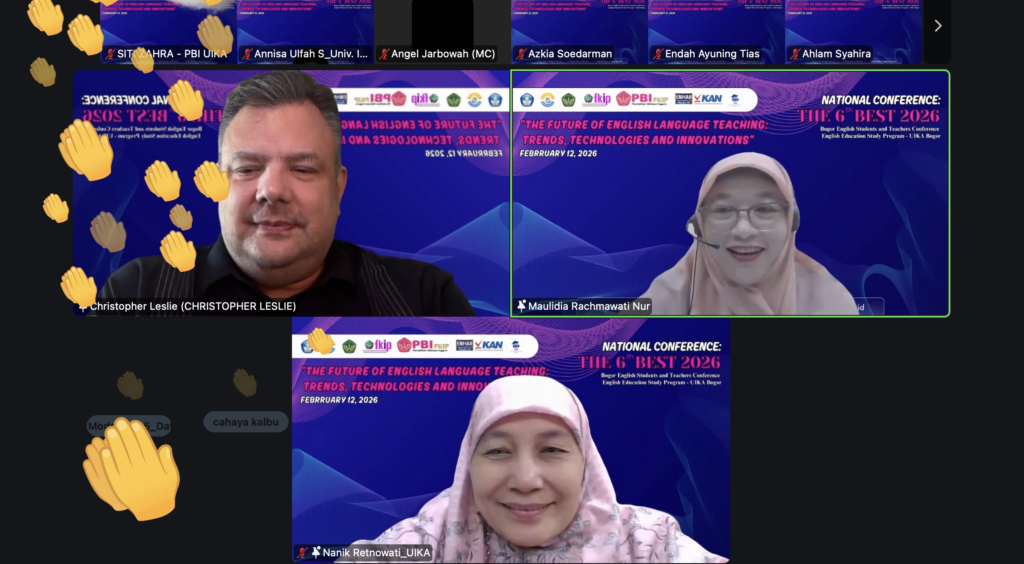
These ideas were on my mind when I prepared my talk as a featured speaker at the sixth Bogor English Students and Teachers (BEST) Conference, hosted by Ibnu Khaldun University, Indonesia, in February 2026. My presentation, “Thinking about Thinking: Shifting the Conversation about Generative AI,” proposed a metacognitive approach to genAI in language teaching and research.
GenAI is here to stay, but the history of technology reminds us that tools do not automatically produce uniform social change. Human values and aspirations shape how technologies are used. For that reason, educators should focus not only on what AI can produce, but on how students think while using it. Reviving the concept of metacognition can help English language educators promote critical thinking by teaching students how to use genAI artfully in support of their language learning.
I thank the organizers and participants for their hospitality as well as their insightful questions and comments. A revised version was later published in English Journal.
Selected Images